
The proven solution for natural, permanent, and high-density hair restoration.
FUT Hair Transplant
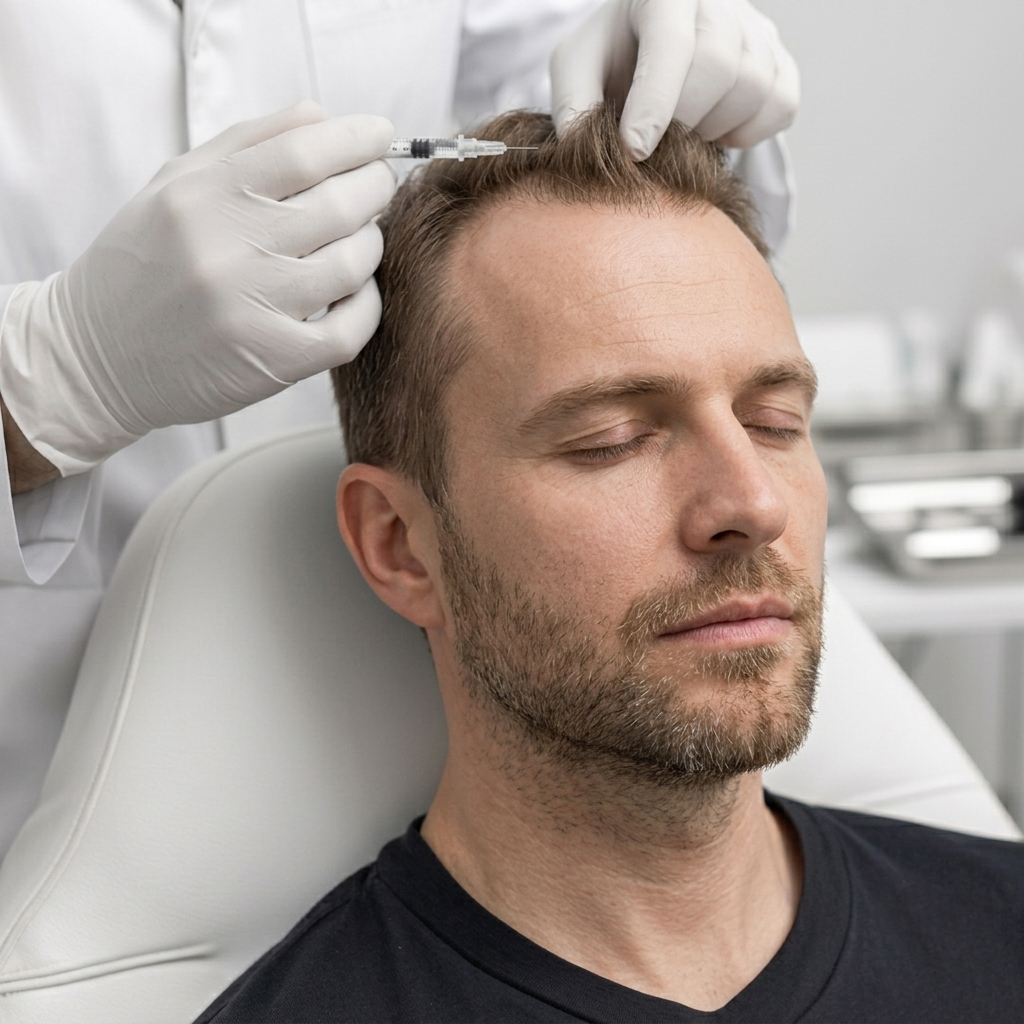
FUT HAIR RESTORATION
The Strip Hair Transplant (FUT) technique is one of the most established and effective hair restoration methods worldwide. At Gentleman Clinic, the procedure is performed by Dermatologist – Dermatologic Surgeon Dr. Giannis Papageorgopoulos, using the latest advancements and modern surgical protocols. When combined with surgical precision, extensive experience, and an artistic approach to hairline design, the FUT technique delivers natural-looking, long-lasting results that blend seamlessly with the patient’s existing hair.
Hair Transplant Procedure | The FUT hair transplant includes the following steps:
- Careful removal of a strip of scalp from the donor area (back and sides of the head).
- Microscopic separation of the strip into individual follicular units.
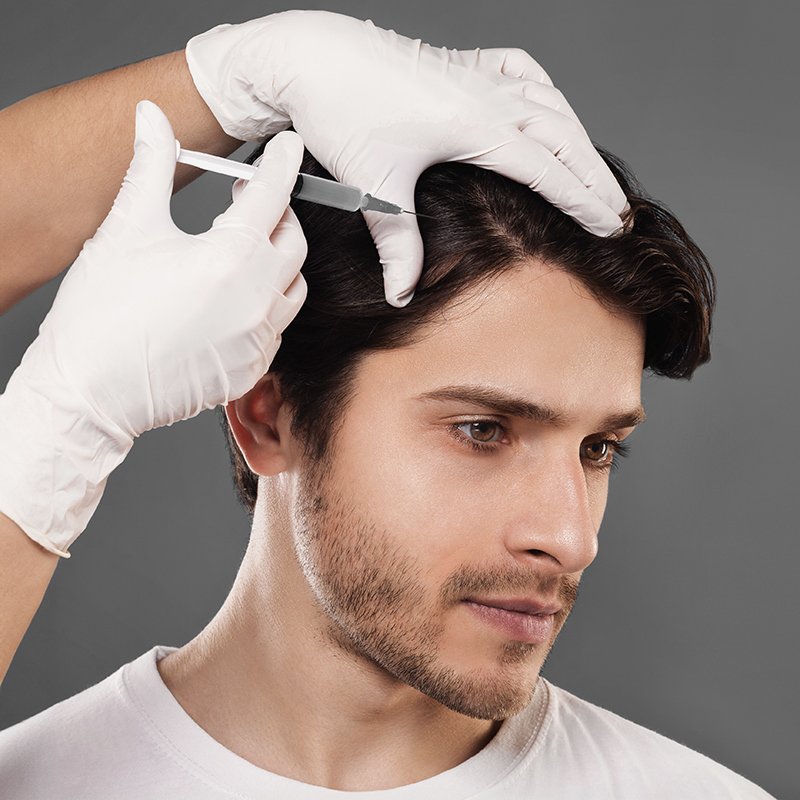
- Precise placement of the hair follicles into areas affected by hair thinning or hair loss.
Because the follicles are transplanted in their natural groupings of 1 to 4 hairs, the final outcome closely resembles natural hair growth and provides excellent density.
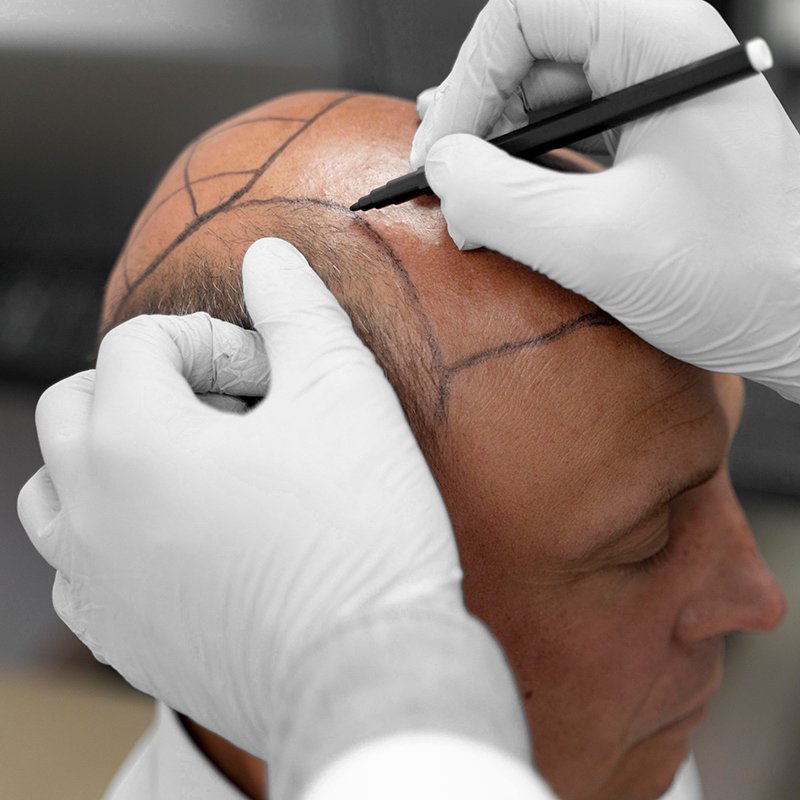
Personalized Hair Restoration Plan. Every patient receives a fully customized treatment plan designed by Dr. Giannis Papageorgopoulos. Factors such as donor hair density, scalp elasticity, the potential need for future procedures, and the patient’s facial characteristics are carefully evaluated. This personalized approach ensures a natural hairline, optimal density, and results that are tailored to the individual’s needs and expectations.
The first specialized Hair Transplant and Restoration Clinic in Athens exclusively for men.
30+
years
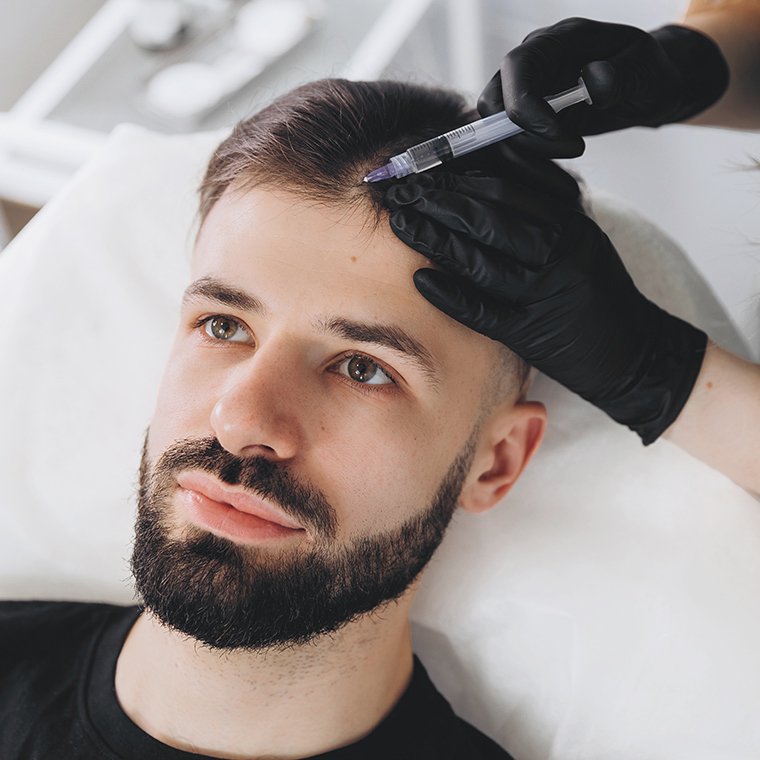 Who it’s for Ideal for men with moderate to advanced hair loss who want maximum hair density and natural-looking, long-lasting results.
Read More
Who it’s for Ideal for men with moderate to advanced hair loss who want maximum hair density and natural-looking, long-lasting results.
Read More
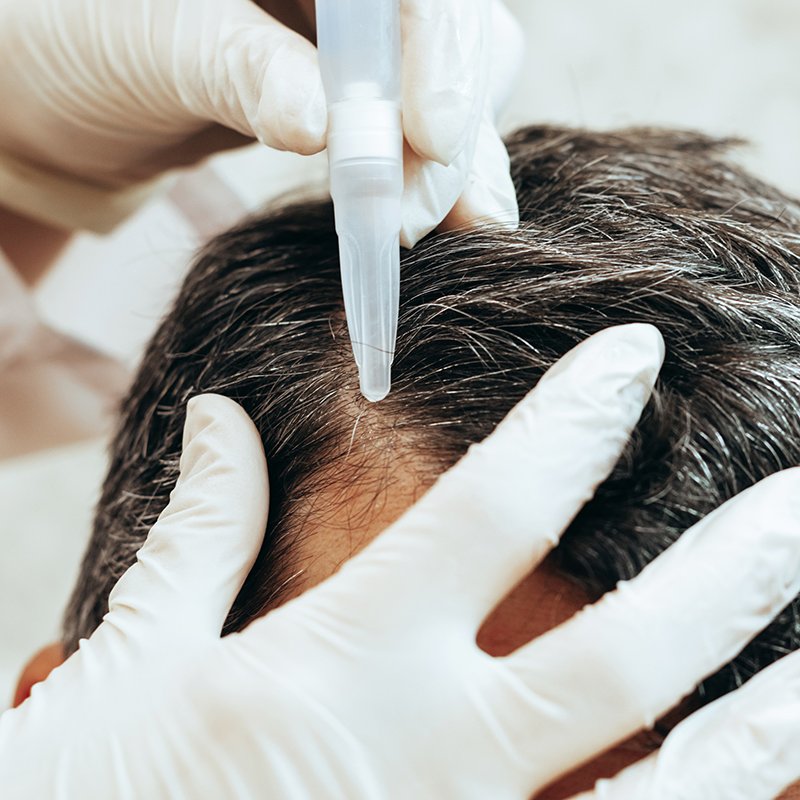 How it works A strip of scalp is removed from the donor area, the follicles are separated under a microscope, and then transplanted into thinning areas for a natural result.

why thousands of patients trust us to restore their hair with precision
recoveryEach procedure is performed by certified specialists using advanced extraction and implantation
98%
Successful FUE transplant
completion rate
The result is seamless integration with your existing hair, ensuring realistic and lasting appearance
87%
Patients reporting
natural-looking results
technology
3 steps of hair transplantation
- 01
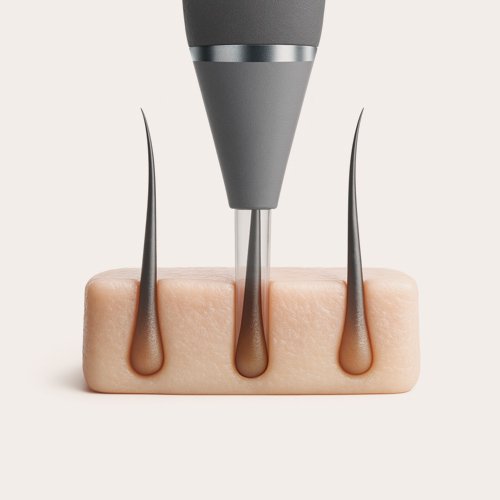 Punch incision around
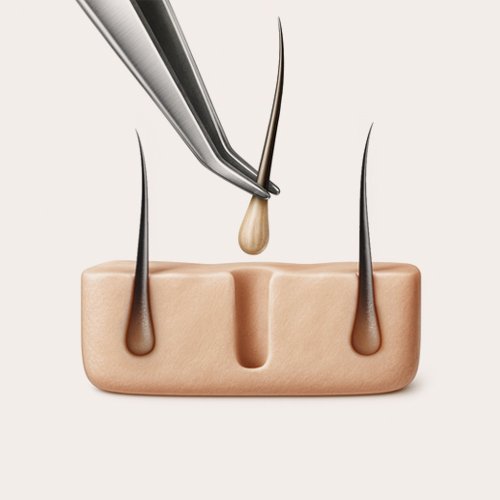
hair follicles Micro-punch tool creates tiny circular incisions around each follicular unit for extraction - 02
 Extraction hair of
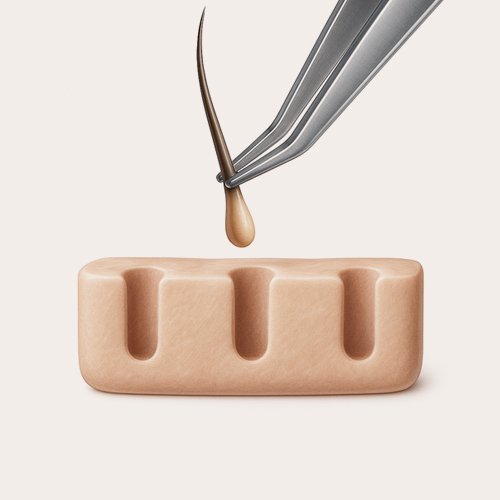
follicular units Individual follicular units are gently removed from the donor area, ensuring minimal trauma - 03
 careful implantation
of the grafts Each graft is delicately inserted into recipient sites at the correct depth, and natural growth angle
Amazing Results
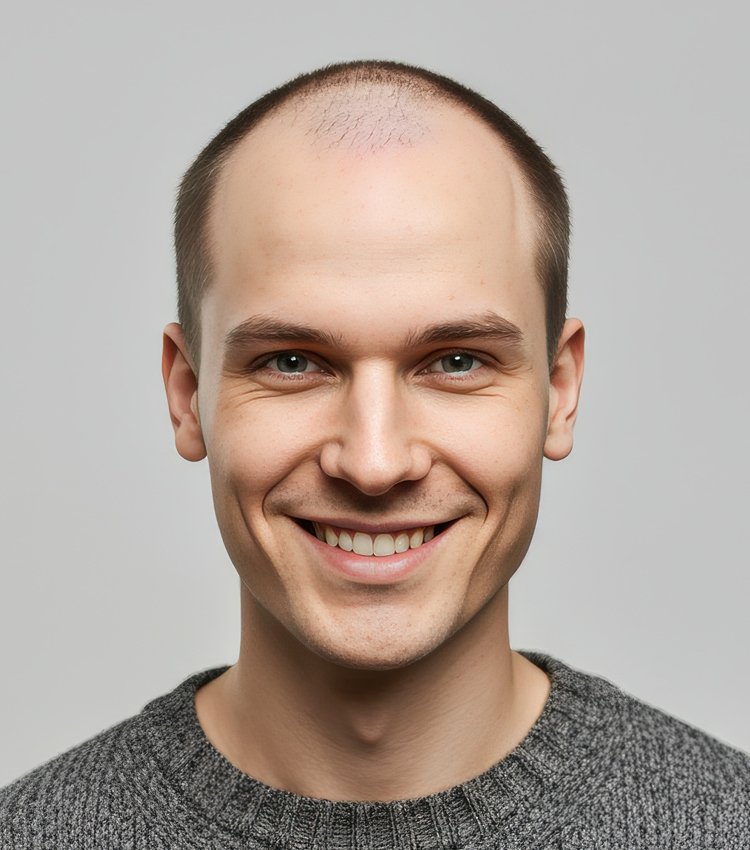
VISIBLE CHANGES, NATURAL RESULTS. PROVEN HAIR RESTORATION TRANSFORMATIONS.
useful information
Popular questions about
transplantation
When is the healing process complete?
Recovery is usually quick, with both the donor and recipient areas healing within a few days. The extraction sites are extremely small and typically become almost invisible as the skin heals.
How long do the results last?
The transplanted hair is designed to be permanent, as the follicles come from areas that are naturally resistant to hair loss. Once fully grown, the new hair maintains its natural appearance and can last a lifetime.
When will I see the final results?
It is normal for some of the transplanted hairs to shed during the first few weeks after the procedure. New hair gradually begins to grow, with the full and final result becoming visible within approximately 12 months.
How many grafts will I need?
The number of grafts depends on the extent of your hair loss, the density of your donor area, and your desired result. A personalized assessment will determine the ideal number of grafts needed to achieve natural-looking coverage.
Book your appointment!
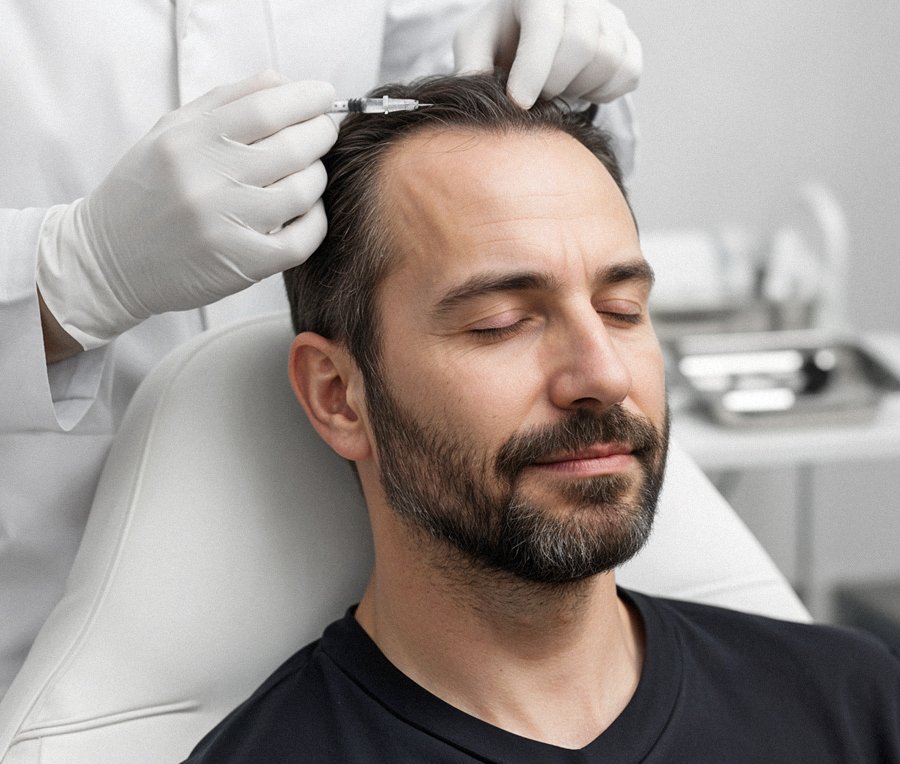
Fill out the form below, and we will contact you to schedule a completely free diagnostic appointment. The diagnosis is performed by Dr. Ioannis Papagelopoulos (MD, PhD).